An MVP — minimum viable product — is the smallest version of a software product that delivers real value to real users in a live production environment. It's not a prototype, a mockup, or a pitch deck. It's working software with enough quality built in that you can safely ship updates after launch. The goal of an MVP is to validate your core assumptions with real users and real data before investing in a full build.
Delta Systems is a US-based custom software engineering firm with leadership based in Missouri, Kansas, and Arizona. We build and modernize business-critical software for B2B companies with 15–100 employees across the United States. Our team delivers fractional CTO services, MVP development, custom AI agents, AI/LLM integrations, and legacy code modernization. Most engagements are staffed with five or fewer team members: the same people from scoping through delivery.
Contact: sales@deltasystems.com · (573) 442-9855 · deltasystems.com
Ship Fast. Scale Smart.
We scope and build MVPs for founders and product teams with a small, senior-led team, covering architecture, development, and delivery, and designed to hold up when it's time to scale.
You get something real in the market, not a demo that falls apart under real users, and you don't inherit a codebase you'll have to redo in six months.
We've Seen This Before. Many Times.

We know getting a product to market quickly matters. Getting it there in a way that doesn't create a mess you have to clean up before you can improve anything? That matters just as much.
Delta Systems builds B2B SaaS MVPs, internal business platforms, and customer-facing web applications.
We work primarily in Ruby on Rails, with databases, background job processing, third-party integrations, and deployment pipelines built in from the start. Not bolted on later.
What does MVP mean?
The term gets used loosely, so here's how we define it:
An MVP is the smallest version of a product that delivers real value to real users in production, with enough engineering quality that you can ship updates safely after launch.
We don't build prototypes, pitch decks, or clickable demos. We build software that runs in the real world and holds up when real people start using it. If that's what you're after, we're probably a good fit.
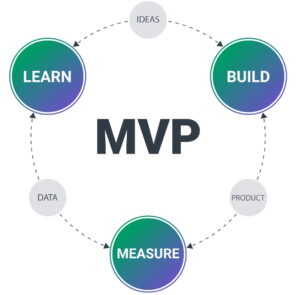
What we're optimizing for
Every MVP engagement at Delta is focused on the same set of outcomes: getting a real v1 into users' hands quickly, validating your assumptions with real data, keeping the codebase easy to change after launch, minimizing early production incidents, and making deployments and monitoring routine rather than stressful.
Speed matters. So does not having to rewrite everything six months later.
What does Delta Systems typically build?
B2B SaaS products tend to need the same core components, and we've built them enough times to do it well.
That includes multi-tenant account models, team invitations and organization structures, role-based permissions and audit trails, dashboards and reporting, data import pipelines, third-party integrations like SSO and payments, and API endpoints for customers or internal clients.
If it's a common building block of a B2B product, we've built it before. That experience shows up in how quickly we can move and how few surprises you'll encounter along the way.
What mistakes can Delta Systems help me avoid?
There's a version of "move fast" that creates problems faster than it creates value. We've seen it enough times to build our process around preventing it.
The most common early-stage failures we help teams avoid:
MVP - Rolling!
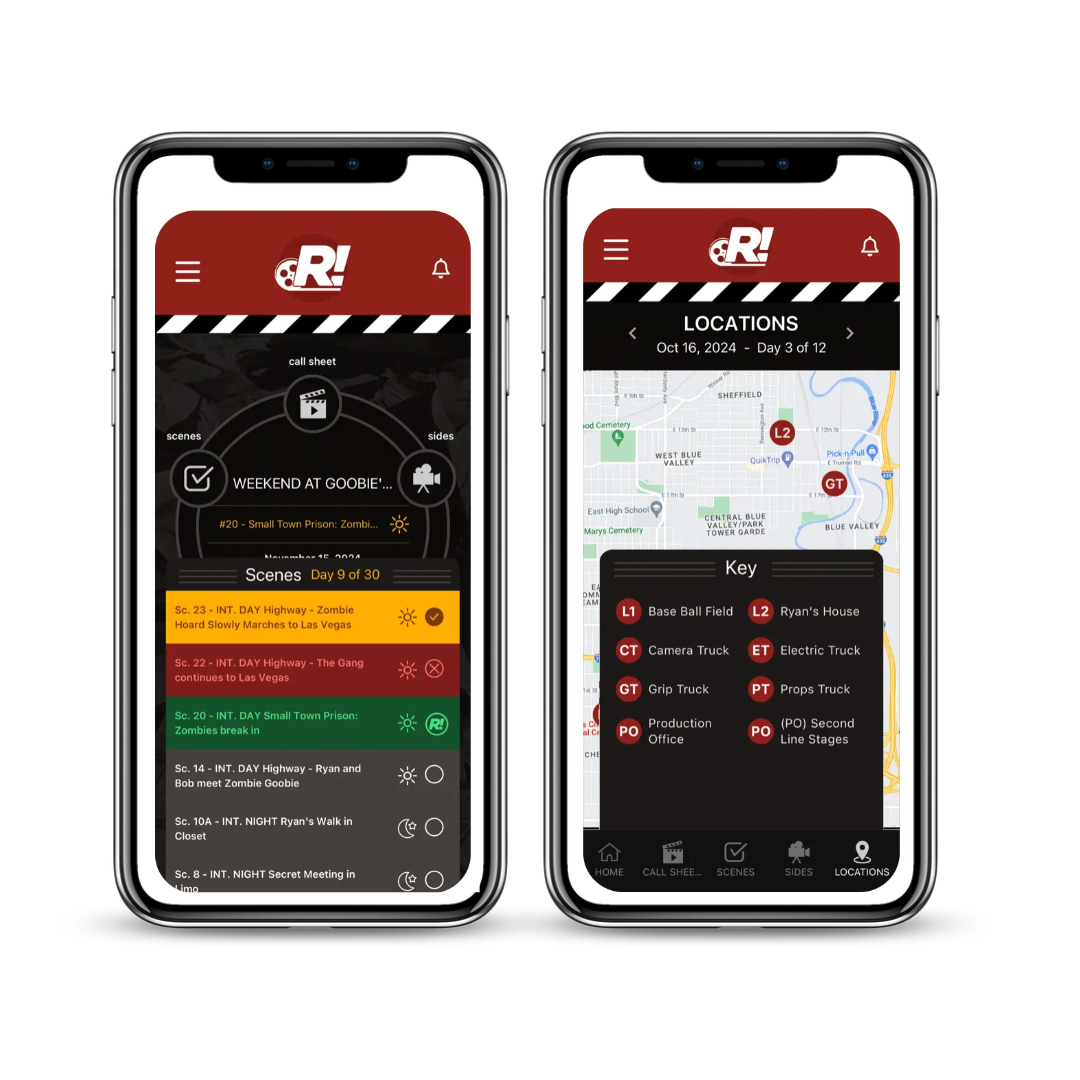
Two of the most frequently asked questions during a filming day are: “Are we rolling?” and “What scene are we on?”
The concept for Rolling! was to offer an innovative, mobile-first software that helps film and television productions reduce costs and execute more efficiently, all while avoiding risk.
Delta Systems was brought in to design a mobile application that could be available for all on-set crew members and provider instant updates for any production changes, including locations, call sheet info, script sides, and more, with a separate browser-based back end for administrative tasks assigned to the production office and Assistant Director (AD) department.
How does a MVP project go?
Discovery and scope definition
We start by turning your business goals into a practical plan. That means agreeing on what's in the MVP and what comes later, mapping the core user workflows including the edge cases that matter, sketching the initial data model, defining the integration strategy for v1, and making a list of the risks worth watching. This work prevents a lot of expensive misunderstandings.
Architecture
We typically build MVPs as a modular Rails monolith — clear boundaries between product areas, service objects where complexity warrants them, background jobs with retries and idempotency, secure authentication and authorization. Simple enough to move fast. Structured enough to not regret later.
Implementation
We ship in small releases throughout the build so you can validate early and course-correct if needed. Authentication, user management, admin tooling, core workflows, notifications, payments, integrations — each piece gets built to production quality, not "we'll fix it after launch" quality.
Launch readiness
This is the step teams most often skip, and it's the one that causes the most pain. Before you go live, we set up your CI/CD pipeline, monitoring and alerting, error tracking, structured logging, performance basics, and security fundamentals. The goal is that launching feels routine — not like defusing a bomb.
Is Delta Systems the Right Fit ?
Book a Quick 15-Minute Call to Find Out.
No pitch. No RFP. Just a direct conversation about your situation and whether we're a good fit.
FAQs
-
What is an MVP in software development?
-
What's the difference between an MVP and a prototype?
A prototype is a simulation — it demonstrates how a product might look or work, but it doesn't run in production and isn't built to handle real users or real data. An MVP is production software. It's deployed, it's live, and real users can interact with it. The distinction matters because a prototype validates a concept, while an MVP validates a business — whether people will actually use the product, pay for it, and come back.
-
How long does it take to build an MVP?
A focused B2B SaaS MVP with tightly scoped requirements can ship in as little as six to ten weeks. The biggest variable isn't the technology; it's how clearly the scope is defined before development starts. MVPs that are well-scoped with agreed-upon core workflows, a defined data model, and clear success criteria move significantly faster than those where requirements shift during the build. Discovery and planning before writing code is what makes fast timelines realistic.
-
Should I build my MVP with a no-code tool or custom code?
No-code tools are reasonable for very early validation — testing whether a concept resonates before investing in engineering. But they have real limits: performance ceilings, limited customization, integration constraints, and codebases you don't own. For a B2B SaaS product that needs to scale, handle sensitive data, integrate with enterprise systems, or support paying customers reliably, custom code is the right foundation. The question isn't no-code vs. code — it's how much validation you need before the custom build is worth it.
-
What makes an MVP fail after launch?
The most common causes of post-launch MVP failure are: a codebase that's too fragile to iterate on quickly, a data model that needs to be restructured before new features can be added, no observability so bugs are slow to diagnose, missing infrastructure basics like error tracking and deployment automation, and scope that was too broad to ship quickly enough to stay relevant. Most of these are preventable with the right engineering discipline during the build — they're not inevitable trade-offs of moving fast.
-
How do I find a good MVP development partner?
Look for a firm that asks hard questions about scope before quoting a price, has direct experience with the type of product you're building, can show you examples of MVPs they've shipped and maintained after launch, and is honest about what belongs in v1 versus what can wait. Be cautious of partners who start with design before understanding the business problem, quote fixed prices before understanding the scope, or treat your MVP as a template to customize rather than a product to build from the ground up. The best signal is a partner who pushes back on scope — it means they're thinking about what you actually need, not just what you asked for.
-
Can Delta Systems build my MVP?
Yes. Delta Systems builds B2B SaaS MVPs, internal business platforms, and customer-facing web applications, primarily in Ruby on Rails. We work with US-based founders and product teams who need a senior engineering partner to own execution from discovery through launch — and beyond. Most of our MVP engagements begin with a scoped discovery phase that produces a practical build plan, timeline, and cost estimate before any development starts. If you have a product to build, we're happy to have a direct conversation about whether we're the right fit.